


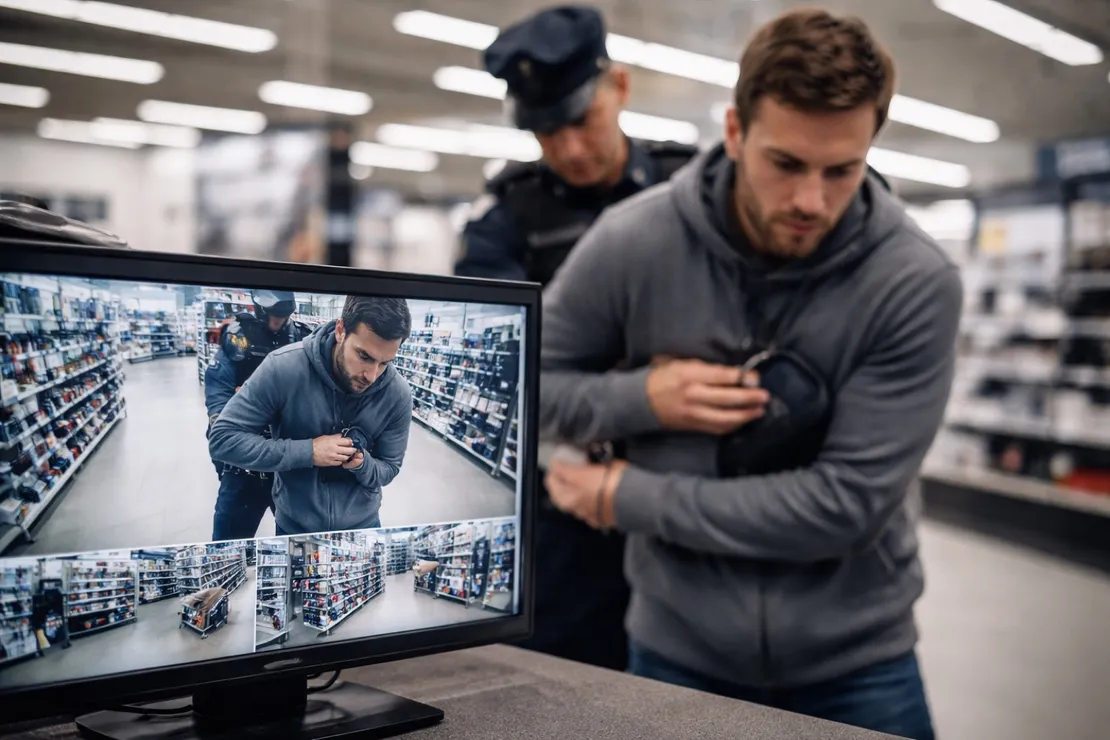
Surveillance footage has become a pivotal element in modern theft cases, often serving as a silent witness that can sway the direction of an investigation or trial. With the proliferation of security cameras in public spaces, businesses, and even private residences, the likelihood of a theft being captured on video has increased dramatically. This visual evidence can provide crucial details about the events in question, the individuals involved, and the sequence of actions leading up to and following the alleged crime. Understanding how surveillance footage is used, its strengths and limitations, and its impact on legal proceedings is essential for anyone facing theft charges or involved in the criminal justice process.
The role of video evidence in theft cases
How Surveillance Footage Is Collected and Preserved
The process of collecting and preserving surveillance footage is a critical first step in any theft case where video evidence is available. Law enforcement officers or investigators typically act quickly to secure footage from cameras located at or near the scene of the alleged theft. This may involve requesting video files from business owners, property managers, or private individuals who control the cameras. The chain of custody for this evidence must be meticulously documented to ensure that the footage remains admissible in court. Any gaps in the chain of custody or signs of tampering can lead to challenges regarding the authenticity or reliability of the video. Proper preservation also involves making backup copies and storing the original files in a secure manner to prevent accidental loss or intentional alteration. The quality of the footage, including factors like resolution, lighting, and camera angle, can significantly affect its usefulness in identifying suspects or clarifying the sequence of events. In some cases, technical experts may be called upon to enhance or clarify video images, but the integrity of the original recording must always be maintained. The timely collection and careful handling of surveillance footage are essential to ensure that this evidence can be effectively used in building or defending a theft case.
The Impact of Surveillance Footage on Legal Strategies
Surveillance footage can dramatically influence the legal strategies employed by both the prosecution and the defense in a theft case. For prosecutors, clear and compelling video evidence can serve as a powerful tool to corroborate witness statements, establish timelines, and directly link a suspect to the alleged crime. The presence of such footage often strengthens the prosecution’s case, making it more difficult for the defense to dispute the facts. On the other hand, defense attorneys may scrutinize the footage for inconsistencies, gaps, or ambiguities that could cast doubt on the prosecution’s narrative. They may argue that the video does not clearly show the defendant’s actions or that the footage is open to multiple interpretations. In some instances, the defense may challenge the admissibility of the footage by questioning how it was obtained or whether it has been altered in any way. The use of Florida criminal defense representation from Abraham Law Firm can be particularly important in these situations, as experienced legal counsel can identify weaknesses in the prosecution’s reliance on video evidence and develop strategies to counter its impact. Ultimately, the way surveillance footage is presented and interpreted in court can be a decisive factor in the outcome of a theft case.
Challenges and Limitations of Video Evidence
While surveillance footage can be a valuable asset in theft cases, it is not without its challenges and limitations. One of the most significant issues is the quality of the video itself. Many security cameras produce grainy, low-resolution images that make it difficult to positively identify individuals or discern specific actions. Poor lighting, obstructed views, and camera placement can further complicate matters, sometimes resulting in footage that is ambiguous or inconclusive. Additionally, the context provided by video evidence is often limited; a camera may capture only a portion of the events, leaving important details outside the frame. This can lead to misinterpretations or incomplete narratives that do not accurately reflect what transpired. Another challenge arises from the potential for footage to be edited, manipulated, or selectively presented, raising questions about its authenticity and reliability. Legal teams must be vigilant in examining the chain of custody and ensuring that the footage has not been tampered with. Furthermore, privacy concerns and legal restrictions may limit the availability or admissibility of certain recordings, particularly those obtained without proper authorization. These challenges highlight the importance of a thorough and critical approach to evaluating surveillance footage in any theft case.
Surveillance Footage and Witness Testimony
Surveillance footage often interacts with witness testimony in complex ways during theft cases. Video evidence can serve to corroborate or contradict the statements of witnesses, providing an objective record that may either support or undermine their accounts. When witness recollections are vague, inconsistent, or disputed, surveillance footage can help clarify the sequence of events and establish a more accurate timeline. However, discrepancies between what is seen on video and what witnesses recall can also create confusion or raise doubts about the reliability of both forms of evidence. In some cases, witnesses may interpret events differently than what appears on camera, leading to conflicting narratives that must be resolved in court. Legal teams may use surveillance footage to refresh a witness’s memory or to challenge the credibility of opposing testimony. The interplay between video evidence and witness statements underscores the need for careful analysis and strategic presentation of all available information. Ultimately, the combination of surveillance footage and witness testimony can provide a more comprehensive understanding of the circumstances surrounding a theft, but it also requires careful navigation to ensure that justice is served.
The Importance of Timely Legal Advice
Obtaining timely legal advice is crucial when surveillance footage is involved in a theft case. Early intervention by a qualified attorney can help ensure that video evidence is properly preserved, analyzed, and presented in a way that protects the rights of the accused. Legal counsel can also advise clients on how to respond to law enforcement inquiries and navigate the complexities of the criminal justice system. Prompt action can make a significant difference in the outcome of a case, particularly when surveillance footage plays a central role.
How Courts Evaluate Surveillance Footage
Courts approach surveillance footage with a combination of caution and respect for its potential probative value. Judges and juries are tasked with determining the authenticity, relevance, and reliability of video evidence before considering it as part of the case. This evaluation often involves examining the chain of custody, the technical quality of the footage, and any expert testimony regarding its contents. Courts may also consider whether the footage has been edited or altered in any way, as well as the circumstances under which it was obtained. The admissibility of surveillance footage can be challenged on various grounds, including violations of privacy rights or procedural errors in its collection. Once admitted, the footage is weighed alongside other evidence, such as witness testimony and physical exhibits, to determine its significance in establishing guilt or innocence. The persuasive power of video evidence can be substantial, but courts remain mindful of its limitations and the potential for misinterpretation. Ultimately, the careful evaluation of surveillance footage is essential to ensuring a fair and just outcome in theft cases.
Conclusion
How Surveillance Footage Can Shape a Theft Case
Surveillance footage has become an influential factor in shaping the outcome of theft cases, offering both opportunities and challenges for those involved in the legal process. Its ability to provide a visual record of events can clarify disputed facts, support or undermine witness testimony, and significantly impact legal strategies on both sides. However, the effectiveness of video evidence depends on its quality, authenticity, and the manner in which it is collected and presented. Legal representation plays a vital role in navigating these complexities, ensuring that the rights of the accused are protected and that all evidence is thoroughly examined. As technology continues to evolve and surveillance becomes more widespread, understanding the role of video evidence in theft cases will remain essential for anyone facing such charges or working within the criminal justice system.


