

Living in Chino, California, means balancing everyday responsibilities with the demands of a busy Southern California lifestyle. Between work, family commitments, and personal obligations, maintaining consistent health and wellness habits can become challenging. Many residents focus on exercise or skincare while overlooking other factors that influence their energy, appearance, and overall well-being.
However, physical health, emotional balance, nutrition, sleep, and skin condition are closely connected. Someone may follow an expensive skincare routine yet struggle with fatigue, poor sleep, or chronic stress.
A more effective approach considers the body as a whole. Understanding how everyday habits interact with professional healthcare and aesthetic treatments can help people develop practical routines that support lasting health and confidence.
Understanding When Professional Wellness Support Makes Sense
Healthy habits provide the foundation for long-term well-being, but some concerns benefit from professional evaluation. Persistent skin changes, unexplained fatigue, and difficulty managing weight may have underlying causes that require more than lifestyle adjustments.
Medical professionals can assess symptoms, review health histories, and recommend appropriate treatment options.
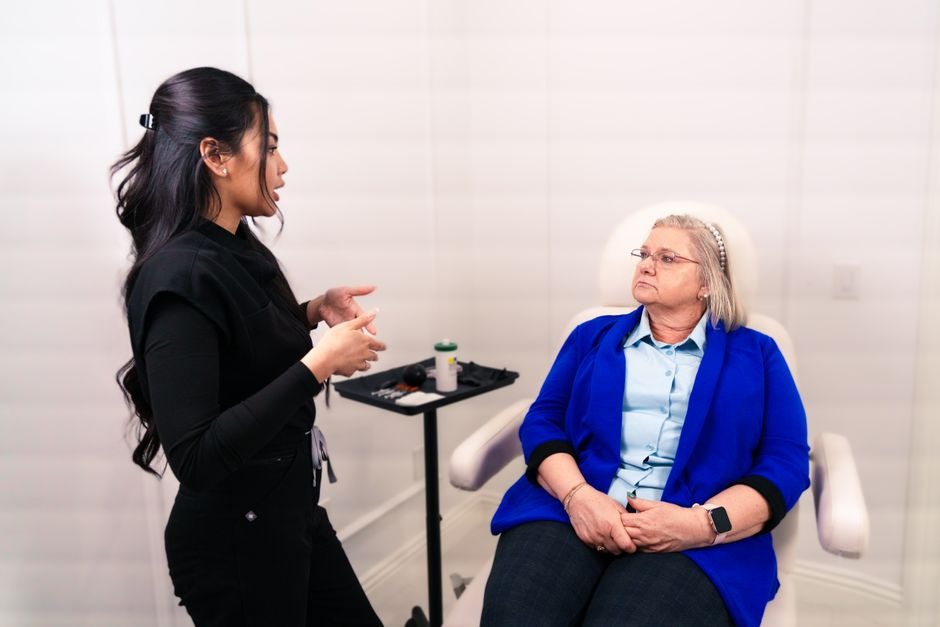
For people interested in addressing specific skin concerns or exploring medically supervised aesthetic care, local providers may offer additional support. In fact, if you’re looking for a med spa Chino offers some great options for treatments such as microneedling, laser skin resurfacing, and professional skincare services.
These treatments should be selected according to individual needs rather than advertising claims.
Before scheduling a procedure, patients should verify practitioner qualifications, discuss potential complications, and understand the expected recovery process.
Professional aesthetic services can complement a healthy lifestyle, but they should never replace preventive medical care or treatment for underlying health conditions.
How Chronic Stress Can Affect Physical Appearance
Stress affects more than emotional well-being. When stressful situations continue for extended periods, they can interfere with sleep, appetite, concentration, and everyday functioning.
Some people also experience worsening skin conditions during stressful periods. Acne, eczema, and other inflammatory concerns may become more difficult to manage when stress is poorly controlled.
Managing these effects begins with recognizing recurring stressors.
Regular physical activity, adequate rest, and supportive relationships can improve emotional resilience. Breathing exercises and mindfulness practices may also help individuals respond more calmly to difficult situations.
However, stress management should not become another demanding responsibility.
Small adjustments, such as taking regular breaks, spending time outdoors, or establishing boundaries around work, can make daily routines more manageable.
People experiencing persistent anxiety, low mood, or difficulty functioning should consider professional mental health support.
Why Restorative Sleep Belongs in Every Wellness Plan
Sleep supports several essential processes, including immune function, memory, metabolism, and physical recovery.
Adults generally need at least seven hours of sleep each night, although individual requirements vary.
Consistently inadequate sleep can contribute to daytime fatigue, reduced concentration, and difficulties maintaining healthy routines.
A practical sleep schedule begins with consistent sleeping and waking times.
Limiting caffeine late in the day, reducing evening screen exposure, and maintaining a comfortable bedroom environment may improve sleep quality.
Regular physical activity can also support better rest, although intense exercise immediately before bedtime may interfere with sleep for some individuals.
Persistent insomnia, loud snoring, or excessive daytime sleepiness should receive medical attention.
Improving sleep is particularly valuable because it can make other wellness goals, including exercise and stress management, easier to maintain.
Supporting Skin Health Through Everyday Nutrition
Healthy skin depends on adequate nutrition, normal tissue repair, and protection from environmental damage.
A balanced diet containing vegetables, fruits, whole grains, protein, and healthy fats provides nutrients involved in maintaining normal skin function.
Vitamin C supports collagen formation, while protein supplies amino acids necessary for tissue maintenance.
Essential fatty acids also contribute to normal cellular processes.
However, no single food can prevent aging or eliminate common skin conditions.
Hydration supports normal bodily functions, but drinking excessive water does not automatically improve skin texture or remove wrinkles.
People should focus on sustainable dietary patterns rather than restrictive plans promising rapid cosmetic improvements.
Those with persistent skin problems or suspected nutritional deficiencies may benefit from medical assessment.
Nutrition works best as part of a broader skincare approach that includes sun protection and appropriate treatment when needed.
Making Exercise Work for Your Energy and Lifestyle
Physical activity improves cardiovascular fitness, supports muscle strength, and contributes to emotional well-being.
However, maintaining an exercise routine does not require daily high-intensity workouts.
Walking, cycling, swimming, and resistance training can all support health when performed consistently.
For people with demanding schedules, shorter activity sessions may be easier to maintain than lengthy gym visits.
Adults should generally aim for at least 150 minutes of moderate-intensity aerobic activity each week, alongside muscle-strengthening exercises on two or more days.
Beginners can start gradually and increase activity as their fitness improves.
Recovery is equally important. Adequate rest between demanding workouts helps the body adapt and reduces unnecessary fatigue.
The most useful exercise plan is one that accommodates personal preferences, physical limitations, and everyday responsibilities.
Recognizing When Hormonal Changes Need Medical Attention
Hormonal changes can influence energy, sleep, body composition, and general well-being.
These changes may occur during menopause, with certain medical conditions, or as part of normal aging.
However, symptoms such as fatigue, weight changes, and mood disturbances are not automatically evidence of a hormonal imbalance.
Similar symptoms can arise from sleep disorders, medication effects, nutritional deficiencies, or other health conditions.
A qualified healthcare professional can evaluate symptoms and determine whether testing is appropriate.
Hormone therapy may benefit selected patients with established medical indications, but it also carries risks and requires individualized decision-making.
Treatments should not be prescribed solely to achieve vague goals such as reversing aging or increasing vitality.
Accurate diagnosis helps patients avoid unnecessary interventions while identifying conditions that genuinely require treatment.
Protecting Your Skin Against Southern California Sun Exposure
Southern California’s sunny climate makes daily sun protection an important part of preventive skincare.
Ultraviolet radiation contributes to premature skin aging and increases the risk of skin cancer.
Broad-spectrum sunscreen with an SPF of at least 30 provides useful protection when applied correctly.
People spending extended periods outdoors should reapply sunscreen according to product instructions and consider protective clothing, hats, and shade.
A gentle cleanser and suitable moisturizer can also help maintain the skin barrier.
Individuals interested in chemical peels, laser treatments, or microneedling should discuss sun exposure and aftercare requirements before undergoing procedures.
Some treatments temporarily increase skin sensitivity, making appropriate protection particularly important.
New or changing skin lesions should be evaluated by a qualified healthcare professional rather than treated as cosmetic concerns.
Building a Wellness Routine That Remains Realistic Over Time
Lasting improvements rarely come from changing every habit simultaneously.
A more practical strategy involves identifying a few priorities and developing manageable routines around them.
Someone experiencing poor sleep might begin by establishing a consistent bedtime. Another person may focus on preparing balanced meals or incorporating regular walks into the workday.
Tracking progress can help identify which adjustments are genuinely useful.
Wellness goals should also remain flexible as work schedules, family responsibilities, and health needs change.
Professional care may be appropriate for specific concerns, but treatments should support clearly defined goals rather than replace healthy daily habits.
Meaningful wellness comes from combining preventive healthcare, balanced nutrition, regular movement, emotional support, and responsible skincare.
The objective is not to achieve a flawless appearance or follow every emerging wellness trend. It is to create a sustainable approach that supports physical health, personal confidence, and a better quality of life.