

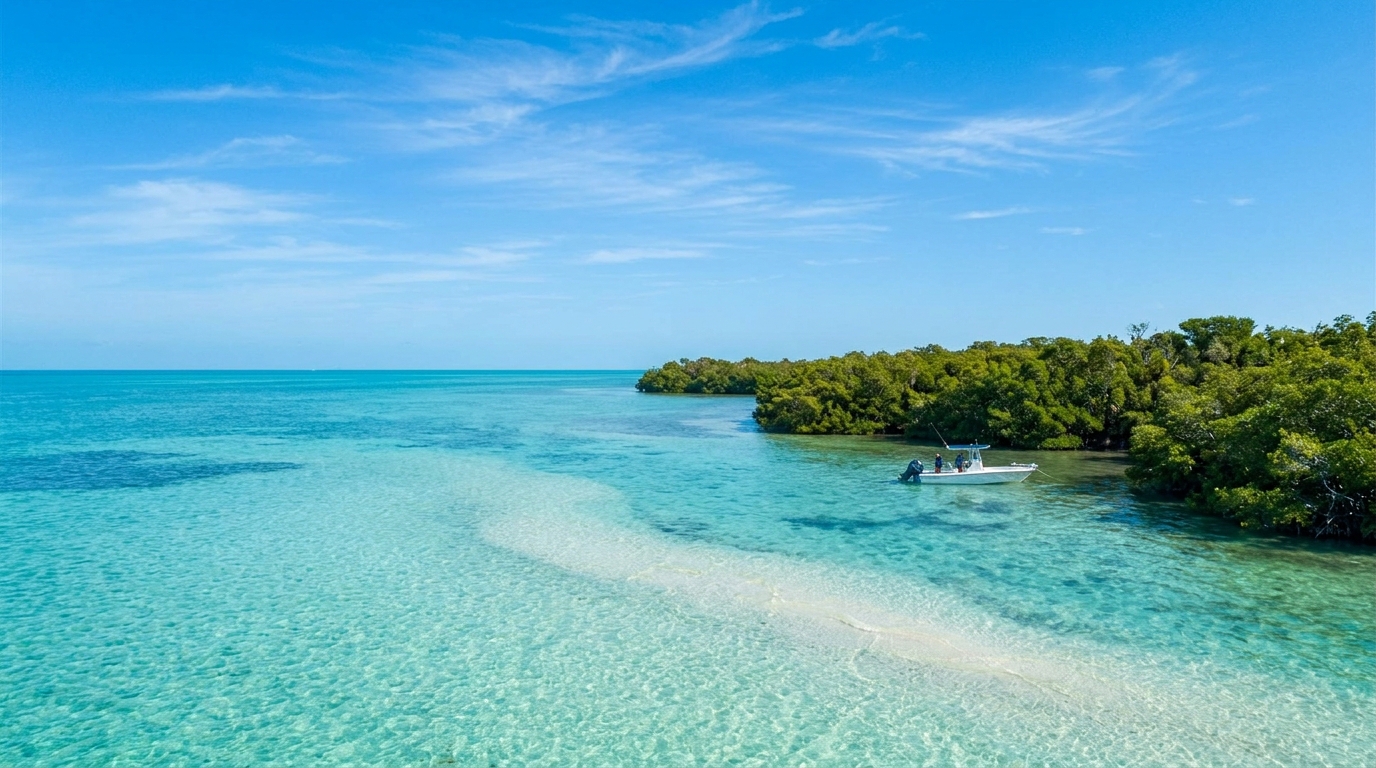
Planning a trip to Biscayne National Park requires a completely different mindset than visiting a traditional land-based park because ninety-five percent of Biscayne National Park is underwater. Visitors cannot simply drive around and look at scenery through a car window, meaning that figuring out the best time to visit Biscayne National Park depends entirely on coordinating marine weather, authorized boat tours, shifting wind conditions, and seasonal water temperatures.
Most standard travel guides only list general seasonal weather ranges and ignore the daily operational realities of navigating a marine park. They often fail to explain that summer brings intense heat, heavy rain, and biting insects, while winter brings rough seas that can cancel boat tours without warning. Many articles also gloss over the fact that land areas like Convoy Point and Boca Chita Key offer very different experiences from the coral reefs. Knowing what to expect during each month helps travelers avoid disappointment and pick the right season for their specific goals.
Evaluating Dry Season Conditions for Convoy Point and Island Excursions
The dry season months between December and April provide the most dependable weather window for land-based exploration and historical site visits.
During these cooler months, daytime humidity drops significantly and rain showers happen much less frequently. This makes exploring the historic lighthouse on Boca Chita Key or walking around Convoy Point very pleasant for visitors who prefer comfortable walking temperatures. However, travelers must remember that winter in South Florida also brings sudden cold fronts. These fronts push strong winds across Biscayne Bay, which can quickly churn up the water and cause authorized park concessionaires to cancel boat trips to the outer reefs. Travelers looking for alternative coastal destinations during similar mild weather windows often enjoy exploring other coastal preserves, such as reading up on seasonal patterns before planning a trip when timing your visit to Indiana Dunes National Park along Lake Michigan.
Managing High Humidity and Biting Insects on Elliott Key
Summer brings extreme humidity, daily afternoon rain showers, and aggressive mosquito populations that make island visits difficult for unprepared travelers.
From June through September, daytime temperatures routinely climb into the nineties, and the heavy moisture in the air creates sticky conditions across the park. Visitors who take boats out to Elliott Key or Boca Chita Key during these months face dense clouds of mosquitoes and biting insects that require strong repellent and protective clothing. Afternoon thunderstorms are also common, bringing sudden downpours and lightning that can abruptly halt outdoor activities. Travelers must weigh these intense environmental challenges against the advantage of having fewer crowds on the water.
Assessing Tropical Storm Risks and Marine Safety Rules
The official Atlantic hurricane season runs from June first through November thirtieth, bringing potential tropical storms, heavy rainfall, and unpredictable high winds.
While major hurricanes do not strike the park every year, the constant threat of severe tropical weather creates uncertainty for travelers booking trips far in advance. Even outside of named storms, the late summer and early autumn months frequently experience rough seas and elevated water levels that impact park accessibility. Checking daily marine forecasts before heading to Convoy Point is essential for safety, as park rangers and concessionaires prioritize calm water conditions for all passenger vessels.

Timing Marine Adventures for Maximum Coral Reef Visibility
Water temperatures and underwater visibility vary dramatically throughout the year, directly dictating the quality of marine activities.
Summer water temperatures are warm and comfortable for swimming, often reaching the low eighties, but frequent storms can churn up the sediment and reduce underwater visibility. Winter water temperatures drop significantly, sometimes requiring a wetsuit for extended snorkeling sessions, but calmer days can offer crystal-clear visibility on the coral reefs. Planning marine adventures requires flexibility, as wind direction and wave heights change rapidly in Biscayne National Park regardless of the calendar month.
Disclaimer: Weather patterns, park rules, and tour schedules can change unexpectedly. Always check current marine forecasts and verify details directly with official sources like the National Park Service before finalizing travel plans.
Frequently Asked Questions
What months offer the best weather for visiting Biscayne National Park?
The months from December through April offer the most comfortable weather, featuring lower humidity, mild temperatures, and reduced rainfall.
Can I drive into Biscayne National Park?
Visitors can drive to the Dante Fascell Visitor Center at Convoy Point, but ninety-five percent of Biscayne National Park is underwater and requires a boat to explore fully.
Are boat tours available year-round?
Authorized concessionaires run boat tours throughout the year, but trips are subject to cancellation during high winds, rough seas, or severe storms.
How bad are mosquitoes during the summer?
Mosquitoes and biting insects are extremely heavy on the park islands during the summer months, requiring serious bug spray and protective clothing.
Is there an entrance fee for Biscayne National Park?
There is no entrance fee to enter Biscayne National Park, though fees apply for guided boat tours, camping on certain islands, and commercial services.
What is the water temperature like for snorkeling?
Summer water temperatures are warm in the low eighties, while winter water temperatures drop, often making a wetsuit necessary for comfort.
When is hurricane season in the park?
The official Atlantic hurricane season runs from June first through November thirtieth, bringing a risk of tropical storms and heavy rain.

I’m Muhammad Ubaid, founder of YBR Magazine. I research and write detailed guides on America’s National Parks — covering entry fees, permits, best times to visit, and planning tips — using official NPS sources and up-to-date information.