


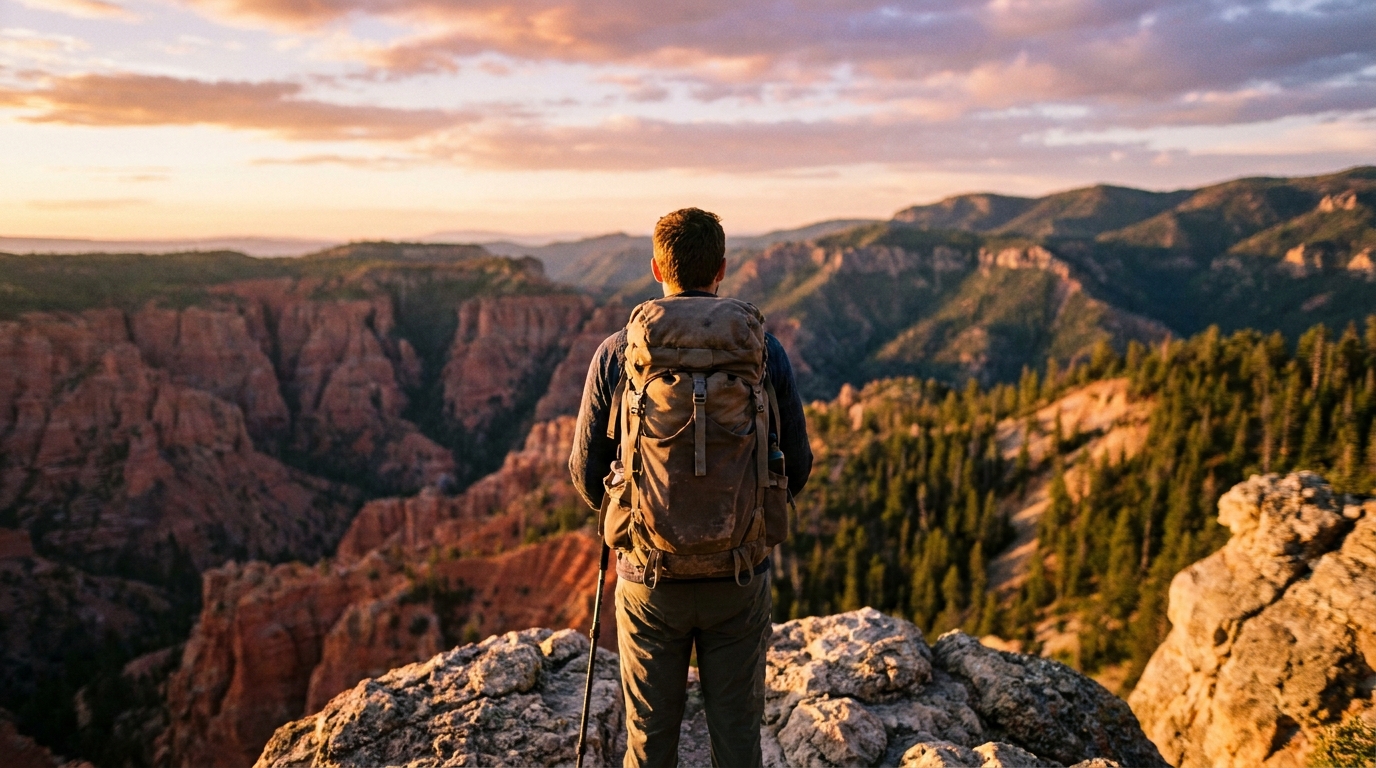
America’s national parks offer some of the most diverse outdoor experiences in the world. From the red rock canyons of Arizona to the alpine trails of Yosemite and the rainforests of Washington, every destination presents different challenges for travelers.
Choosing the right backpack can make a significant difference to your experience. A small daypack may be enough for a short nature walk, while a full-day hike requires more room for water, food, extra clothing, and safety equipment. If you plan to spend several days on the trail, you’ll need a larger backpack designed to carry camping gear and other essentials.
So, what backpack should you bring to America’s national parks? The answer depends on your itinerary, hiking distance, weather conditions, and the amount of equipment you need to carry.
This guide explores the most suitable backpack types for different national park adventures and explains what to look for before choosing one.
1. Day Hiking: Choose a 15–25L Daypack
Best for: Short hikes, scenic viewpoints, nature walks, and casual outdoor exploration.
Many visitors explore national parks through short hiking trails, scenic overlooks, and day-use areas. For these activities, a compact daypack with a capacity of approximately 15–25 liters is usually a practical choice.
This size offers enough room for everyday hiking essentials without adding unnecessary weight. You can typically carry:
· A water bottle or hydration reservoir
· Snacks and a packed lunch
· Sunscreen, sunglasses, and a hat
· A light jacket or rain shell
· A phone, camera, and portable charger
· A small first-aid kit
When choosing a daypack, prioritize comfort and accessibility. Padded shoulder straps help distribute weight, while a breathable back panel can improve airflow during warm-weather hikes.
Multiple compartments are also useful. Side pockets provide quick access to water bottles, while smaller zippered pockets keep keys, maps, and personal items organized.
For most casual visitors, a lightweight daypack is a versatile option that works for both hiking trails and everyday sightseeing.
2. Full-Day Hiking: Choose a 20–35L Hiking Backpack
Best for: Longer hikes, challenging trails, and full-day outdoor activities.
A full-day hike requires more preparation than a short walk. You may be on the trail for several hours, encounter changing weather, or travel through areas with limited access to drinking water and facilities.
A 20–35L hiking backpack provides additional storage capacity for these situations. It can accommodate extra food, water, clothing, navigation tools, and other hiking essentials.
Look for the following features:
Comfortable suspension system: Padded shoulder straps, an adjustable sternum strap, and a supportive hip belt help distribute the load more comfortably.
Hydration compatibility: A dedicated hydration sleeve and hose outlet make it easier to drink while walking. If you prefer water bottles, accessible side pockets are equally useful.
Practical organization: Separate compartments help keep food, clothing, electronics, and emergency supplies organized.
Weather resistance: Durable, water-resistant fabric can protect your belongings from light rain and splashes. For prolonged rainfall, use a waterproof pack cover or dry bags inside the backpack.
A well-designed hiking backpack should keep essential items accessible without making the load unnecessarily bulky.
3. Multi-Day Backpacking: Choose a 40–65L Backpack
Best for: Overnight hikes, backcountry camping, and multi-day wilderness trips.
If your national park adventure involves camping overnight or spending several days in the backcountry, a larger backpack is essential.
A capacity of approximately 40–65 liters is a common starting point for multi-day backpacking. However, the appropriate size depends on how much equipment you carry, the season, your food and water requirements, and whether you share group equipment.
A typical multi-day backpacking setup may include:
· A tent or other shelter
· A sleeping bag and sleeping pad
· Cooking equipment and food
· Extra clothing and rain gear
· Water containers and treatment supplies
· Navigation tools and emergency equipment
· Personal hygiene items and a first-aid kit
Unlike a regular daypack, a backpack for extended trips needs a more supportive carrying system. An adjustable torso length, padded hip belt, load lifters, and a structured frame can help transfer weight from the shoulders to the hips.
Organization is equally important. A spacious main compartment provides room for bulky equipment, while external attachment points can accommodate trekking poles, sleeping pads, or other gear.
For multi-day trips, don’t choose a backpack based on capacity alone. A properly fitted pack that comfortably carries your actual load is more important than simply having extra storage space.
4. Desert National Parks: Prioritize Hydration and Sun Protection
Examples: Grand Canyon National Park, Zion National Park, and Joshua Tree National Park.
Recommended backpack: A lightweight hiking pack with hydration-friendly storage.
Desert landscapes are among the most recognizable features of America’s national parks. They also present specific challenges for hikers, including intense sunlight, high temperatures, and limited water availability on some routes.
At places such as Grand Canyon National Park and Zion National Park, carrying sufficient water is an essential part of trip planning.
A suitable backpack should offer:
Hydration storage: A hydration reservoir compartment or multiple bottle pockets makes it easier to carry and access drinking water.
Breathable back construction: Mesh panels and ventilated back designs can improve airflow between the backpack and your body.
Lightweight materials: A lighter pack can help reduce unnecessary load, especially when you already need to carry substantial water supplies.
Sun-protection storage: Convenient pockets make it easier to access sunscreen, sunglasses, hats, and other protective items.
Water requirements vary significantly depending on the route, temperature, elevation, and individual needs. Always check the specific trail recommendations and current park guidance before departure. Do not assume that water will be available along the trail.
The National Park Service recommends planning hydration carefully and carrying the equipment needed for the conditions you expect to encounter.
5. Rainy and Mountain Parks: Choose a Weather-Resistant Backpack
Examples: Olympic National Park, Glacier National Park, and parts of Yosemite National Park.
Recommended backpack: A durable hiking backpack with weather-resistant materials and protective storage.
Not every national park adventure takes place under clear skies. Mountain environments can experience sudden temperature changes, while forested and coastal regions may receive frequent rainfall.
Olympic National Park, for example, is known for its temperate rainforests and wet conditions. The National Park Service advises hikers to prepare for changing weather and carry rain gear and extra clothing, even on shorter hikes.
For these environments, consider a backpack with the following features:
Water-resistant fabric: Coated nylon or polyester fabrics can help resist moisture and protect everyday hiking equipment from light rain.
Rain cover compatibility: A dedicated rain cover provides an additional layer of protection during wet conditions.
Durable construction: Reinforced bottom panels, strong stitching, and quality zippers can improve long-term durability when hiking over rough terrain.
Separate storage: Internal pockets or dry bags help keep spare clothing, electronics, and other moisture-sensitive items organized.
Remember that water-resistant does not mean waterproof. If you expect prolonged rain or need to protect essential equipment, use a suitable waterproof cover and waterproof dry bags.
6. Don’t Forget the Hiking Essentials
Choosing the right backpack is only one part of preparing for a national park adventure. You also need to make sure that it can carry the equipment required for your specific activity.
The National Park Service recommends carrying the Ten Essentials when heading outdoors. These cover important categories such as:
1. Navigation tools, including a map, compass, or GPS
2. Sun protection, including sunglasses and sunscreen
3. Extra clothing for changing weather
4. A flashlight or headlamp
5. First-aid supplies
6. Fire-starting equipment
7. Repair tools and supplies
8. Extra food
9. Water and water-treatment supplies when needed
10. Emergency shelter
The exact equipment you need depends on the location, season, trail difficulty, and length of your trip.
Before leaving, check the official National Park Service website for your destination. Review trail conditions, weather forecasts, water availability, and any special equipment recommendations.

I’m Muhammad Ubaid, founder of YBR Magazine. I research and write detailed guides on America’s National Parks — covering entry fees, permits, best times to visit, and planning tips — using official NPS sources and up-to-date information.

