

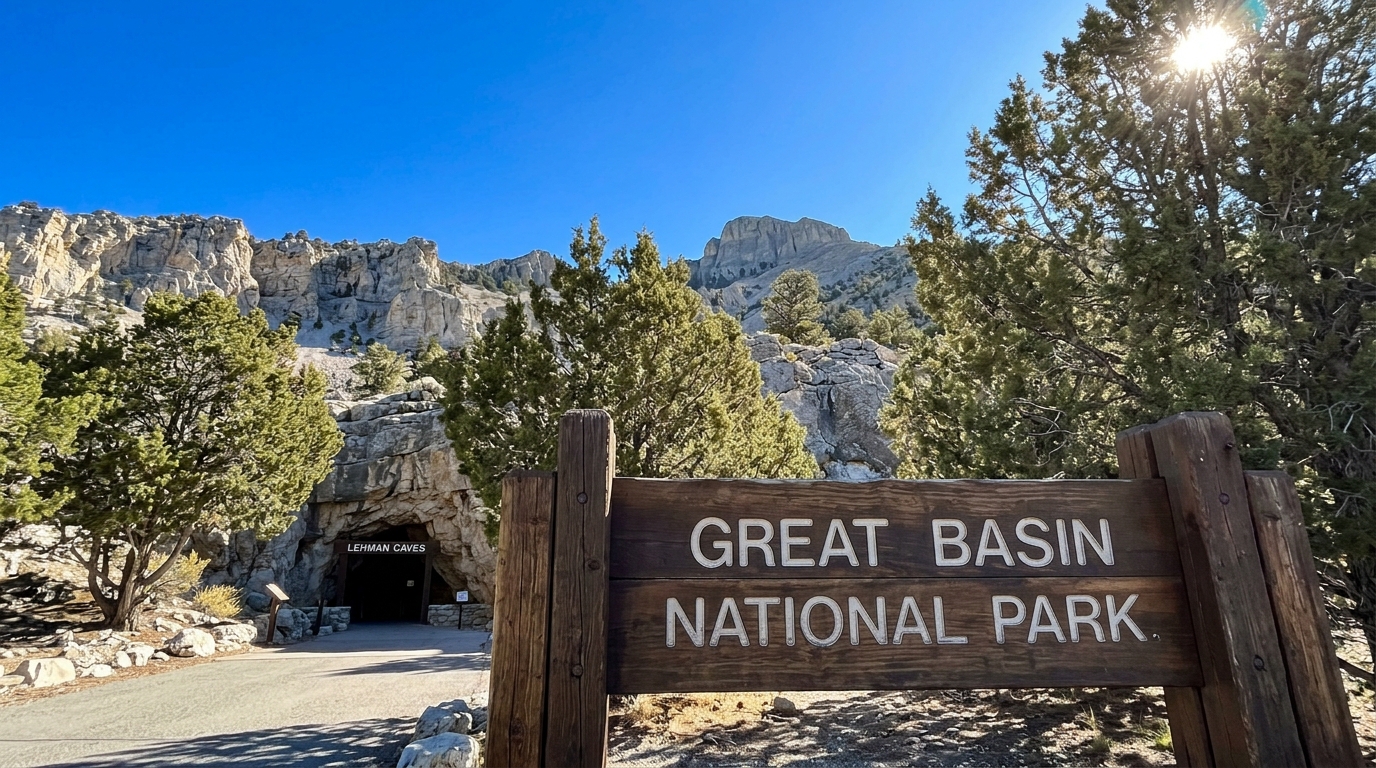
Planning a journey to a remote mountain destination requires careful timing, especially when building a solid Great Basin National Park Itinerary. Great Basin National Park sits in eastern Nevada, far away from large population centers like Las Vegas or Salt Lake City. Because Great Basin National Park is so isolated, travelers face long driving stretches, very sparse cell phone coverage, high-elevation climbing challenges, and rapidly shifting weather patterns. Unlike busier public lands where services appear around every corner, this remote sanctuary forces visitors to plan every gallon of fuel and drop of drinking water in advance. A thoughtful daily travel schedule helps visitors balance underground cave walks, winding mountain ascents, and dark sky viewings without wearing out the driver or exhausting the body in thin air.
Why a Great Basin National Park Itinerary Needs Careful Planning
Remoteness, high elevation, and limited services make advance preparation essential for a smooth trip to Great Basin National Park.
Many travelers underestimate how many hours it takes to drive across rural Nevada just to reach the park boundary. Once inside Great Basin National Park, the main paved road climbs steadily from sagebrush flats up toward Wheeler Peak, shifting from dry desert scrub into thick evergreen forests. Services inside Great Basin National Park are extremely limited, meaning drivers must fill their fuel tanks in nearby gateway towns like Baker, Nevada, before heading up the grade. Furthermore, high-altitude environments can trigger headaches, fatigue, and shortness of breath for visitors arriving straight from sea level. Adding a buffer day to a Great Basin National Park Itinerary gives the human body proper time to adjust to the lower oxygen levels.
Getting Your Lehman Caves Tour and Park Permits Sorted First
Strict booking rules and official National Park Service procedures are required to secure a spot for Lehman Caves tours.
Lehman Caves stands out as one of the most popular attractions in Great Basin National Park, featuring complex limestone formations and delicate mineral growths. According to the National Park Service, underground cave tours fill up weeks ahead of time, and walk-up tickets are rarely available during the busy summer season. Visitors must secure cave tour reservations online through recreation.gov before arrival. When organizing a Great Basin National Park Itinerary, booking the underground tour must happen first because the assigned entry time dictates the rest of the daily schedule. Travelers should also check official National Park Service alerts for any sudden road closures, changing weather advisories, or updated parking rules before leaving the main visitor center.
The Ideal Two-Day Great Basin National Park Itinerary
A realistic, day-by-day schedule balances cave tours, mountain drives, and stargazing without burning out the driver.
On day one of a typical Great Basin National Park Itinerary, visitors should arrive by late morning, stop at the visitor center, and head underground for a guided Lehman Caves tour. Afterward, travelers can drive a short distance up the Wheeler Peak Scenic Drive to stretch their legs on a gentle nature path and watch the sun dip below the desert valley. For those seeking detailed seasonal timing insights, checking out resources like the guide on the ideal seasons to explore high-elevation Nevada helps ensure mountain roads are fully open. Day two can focus on high-altitude exploration, such as hiking toward the ancient bristlecone pine groves or tackling alpine lake loops before staying out late to experience the incredible dark night skies.
Dealing with High Altitude and Remote Park Conditions
Practical downsides like sudden mountain storms, steep trails, and a total lack of gas stations inside Great Basin National Park require constant vigilance.
Weather in the high mountains of Nevada can shift rapidly from bright sunshine to heavy afternoon thunderstorms or unexpected snow flurries, even during the peak summer months. Hikers on a Great Basin National Park Itinerary must pack extra layers, waterproof shells, and plenty of drinking water because dehydration happens much faster in dry, high-altitude air. Cell phone reception is practically nonexistent across most of Great Basin National Park, so downloading offline maps and bringing a physical paper map is mandatory for safety. Finally, drivers must remember that there are no electric vehicle charging stations or traditional fuel pumps past the visitor center areas, making fuel management a critical safety priority.
Frequently Asked Questions About Visiting Great Basin National Park
Simple, direct answers to common visitor questions help clarify weather patterns, pet restrictions, lodging options, and entrance fees.
Do I need to pay an entrance fee for Great Basin National Park?
According to the National Park Service, there is no standard entrance fee charged just to enter Great Basin National Park, though guided tours like Lehman Caves require a separate ticket fee.
How far in advance should I book Lehman Caves tickets?
Visitors should book Lehman Caves tickets several weeks or even months ahead of time during peak summer months, as daily tour group sizes are strictly limited.
Are dogs allowed on hiking trails in Great Basin National Park?
Pets are restricted to parking lots, campgrounds, and designated roads, and are not permitted on any dirt hiking trails within Great Basin National Park.
Where is the closest town with gas stations and grocery stores?
The small town of Baker, Nevada, located right outside the park entrance, provides basic fuel and limited food supplies, but major shopping requires a drive to Ely, Nevada.
Can I see the Milky Way clearly in Great Basin National Park?
Great Basin National Park is internationally recognized as a Dark Sky Park, offering some of the clearest stargazing conditions in the entire country.
What should I pack for high-altitude hiking in the park?
Pack sturdy hiking boots, sun protection, multiple clothing layers for changing mountain temperatures, and more water than you think you will need.
I’m Muhammad Ubaid, founder of YBR Magazine. I research and write detailed guides on America’s National Parks — covering entry fees, permits, best times to visit, and planning tips — using official NPS sources and up-to-date information.