

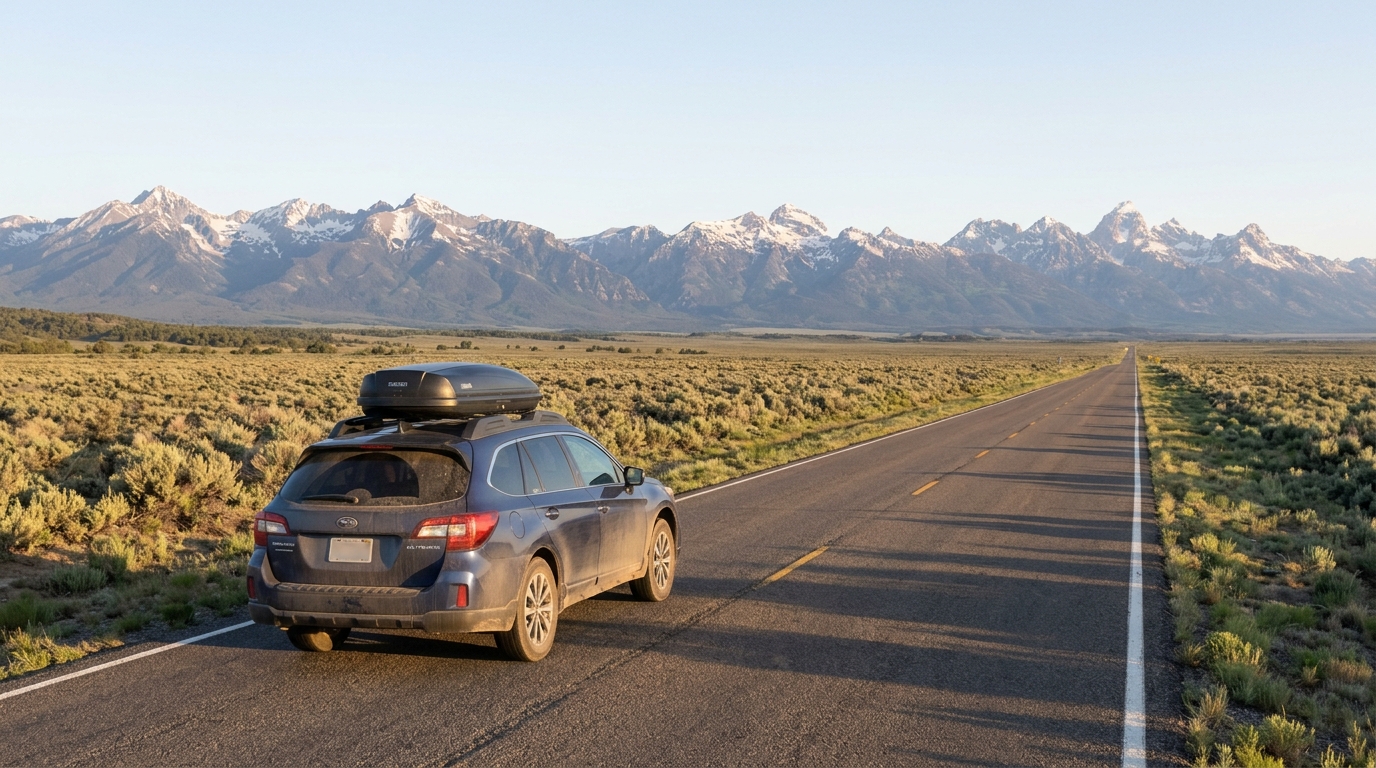
Planning a Great Sand Dunes National Park road trip takes more preparation than a standard highway drive because the park sits deep inside the remote San Luis Valley of Colorado. Travelers must cross high mountain passes, watch for sudden weather shifts, and prepare for long stretches of road with limited services. This guide covers the essential logistics, driving routes, and safety tips you need before getting behind the wheel.
Planning Your San Luis Valley Driving Itinerary
Every Great Sand Dunes National Park road trip starts with understanding the unique geographic isolation of the San Luis Valley high desert basin.
The journey involves driving through high elevations where cell service often drops completely for miles at a time. Drivers need to check vehicle health, fuel levels, and tire pressure before leaving major hubs like Denver, Colorado Springs, or Pueblo. Because amenities are scarce once you leave the main highway corridor, keeping emergency water, snacks, and a physical road map in the car is a smart move for every traveler who wants to avoid getting stranded without assistance.
Navigating Mountain Passes and Highway Approaches
Choosing the right highway for your Great Sand Dunes National Park road trip helps you avoid steep, stressful mountain passes or unexpected winter weather closures.
Most visitors traveling from the north approach via US-285 or I-25 before cutting across state highways like CO-17. These routes take motorists over high passes such as La Veta Pass or Poncha Pass, which can experience sudden snowstorms and severe winds even outside of deep winter months. Drivers should always check state transit updates for real-time road conditions before attempting these climbs, especially if driving a heavy or underpowered vehicle that struggles with steep inclines and thin mountain air.
Beating the Heat and Managing High-Altitude Sand
Packing the right items for your Great Sand Dunes National Park road trip keeps you safe from extreme sand temperatures, high-altitude sun, and blowing wind.
During summer afternoons, the sand surface can reach scorching temperatures that easily burn bare feet, making sturdy closed-toe shoes or hiking boots an absolute necessity. Sunglasses, heavy-duty sunscreen, and wide-brimmed hats protect against intense ultraviolet rays at high altitude where the sun feels much stronger. Visitors should also pack windproof layers because afternoon gusts frequently whip fine sand across the open valley floor, stinging exposed skin and reducing visibility near the base of the dunes.
Vehicle Limits on Rugged Backcountry Tracks
Knowing your car’s limits during a Great Sand Dunes National Park road trip prevents costly flat tires and stuck vehicles on rough dirt roads like Medano Pass.
While paved park roads accommodate standard passenger cars without any trouble, unpaved backcountry tracks demand high clearance and four-wheel drive capability. Standard sedan tires easily puncture on sharp volcanic rocks, and towing services in remote valley areas come with extremely high fees and long wait times due to the isolation. If you want to explore beyond the main visitor areas, checking vehicle capabilities beforehand prevents unexpected mechanical disasters far from any repair shop.
Park Entry Guidelines and Official Regulations
Checking current park hours and vehicle fees through the National Park Service ensures your Great Sand Dunes National Park road trip goes smoothly without surprises.
According to the National Park Service, entrance fees apply to all private vehicles entering the protected area, and passes must be displayed clearly on your windshield at all times. Rangers enforce strict rules regarding pet restrictions, drone bans, and campfire limits to protect the fragile desert ecosystem from permanent damage. Travelers looking for local overnight options can also review choices for valley accommodations and remote area stays before finalizing their travel schedule.
Frequently Asked Questions
How long should I plan to spend driving to Great Sand Dunes National Park?
Driving times vary based on your starting point, but most major hubs like Denver require at least four hours of driving through challenging mountain terrain.
Is cell phone service reliable during the drive?
Cell service is notoriously unreliable in the San Luis Valley and across the high mountain passes leading into the park, so downloading offline maps beforehand is essential.
Do I need a special vehicle to visit the main dunes area?
Standard passenger vehicles easily access the main visitor center and primary parking lots via paved roads without needing four-wheel drive capabilities.
Are pets allowed on the main sand dunes?
Pets are permitted on the main dunefield, but owners must keep them on a leash and watch the sand temperature closely to protect pet paws from severe burns.
What is the best time of day to hike the sand dunes?
Morning or late evening offers the most comfortable temperatures, as midday sun makes the sand painfully hot to walk on.
Are reservations required to enter the national park?
Timed entry reservations are generally not required for standard park entry, but visitors should verify current policies directly through official sources.
Disclaimer: Park rules, road conditions, and fee structures can change over time. Always verify current details and travel advisories through official sources before starting your journey.

I’m Muhammad Ubaid, founder of YBR Magazine. I research and write detailed guides on America’s National Parks — covering entry fees, permits, best times to visit, and planning tips — using official NPS sources and up-to-date information.