

The Short Answer
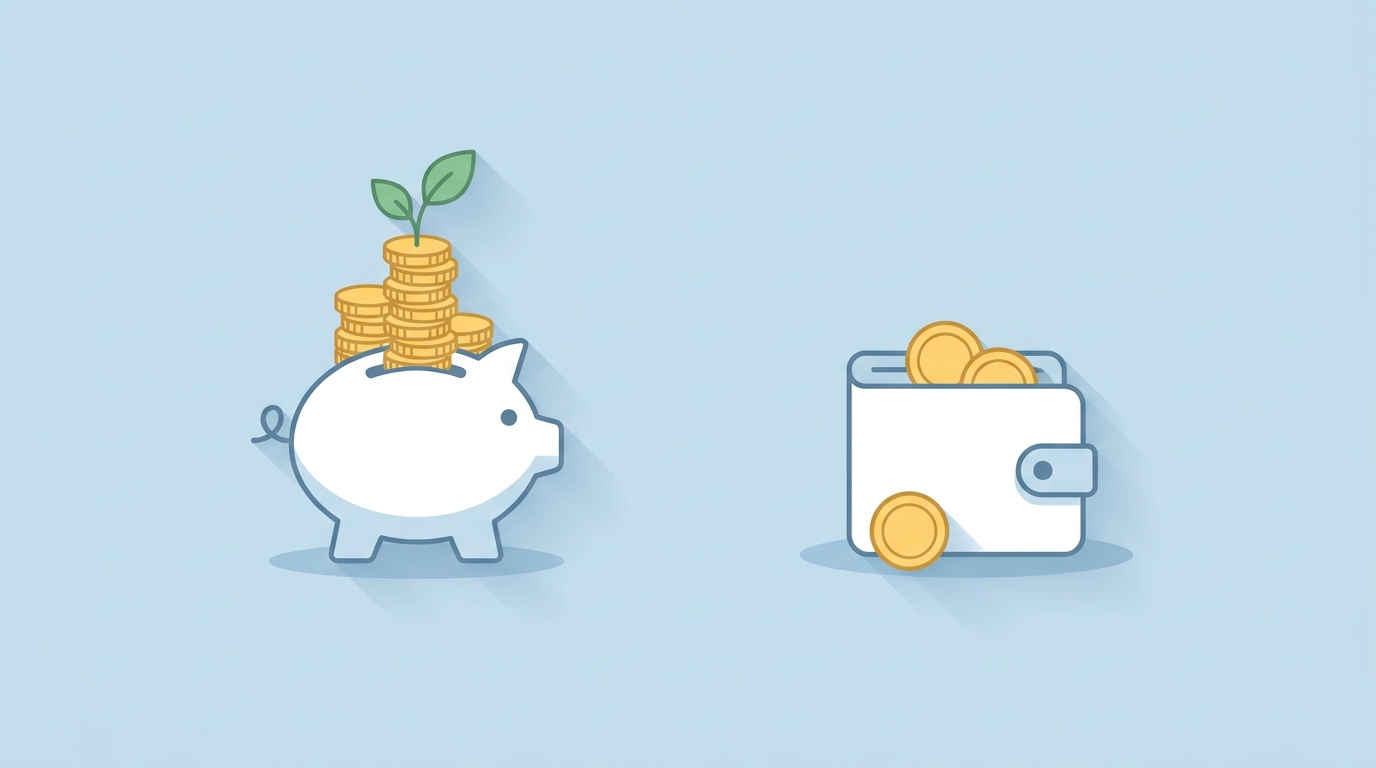
Savings accounts typically offer more interest than checking accounts. Most checking accounts pay no interest at all, and the ones that do usually pay a very small rate. A savings account is built for storing money and earning a return, while a checking account is built for spending, so the two are priced very differently by banks.
That answer is only the beginning, though. Knowing how big the gap is, why it exists, and where other account types such as money market accounts and certificates of deposit fit in can help you decide where your money should actually sit. The rest of this guide covers all of that in plain language.
Why Do Savings Accounts Pay More Interest Than Checking Accounts?
The main reason comes down to how banks earn money. When you deposit cash, the bank lends part of it out or invests it, and it earns more from that activity than it pays you in interest. The difference between the two is a core source of bank profit. To do this reliably, a bank wants deposits that stay put for a while, and savings accounts fit that need far better than checking accounts do.
A checking account sees constant activity. Paychecks arrive, rent leaves, cards are swiped, and bills are paid automatically, so the balance moves up and down all month. This makes the money harder for a bank to rely on, and each transaction also costs the bank something to process. Because checking accounts already come with conveniences like debit cards, check writing, and bill pay, banks have little reason to add a generous interest rate on top.
A savings account is the opposite. People generally deposit money and leave it alone, which gives the bank a steadier pool of funds. To reward that behavior and to attract those deposits, banks offer interest. Savings accounts also tend to have fewer features, which keeps the bank’s servicing costs lower and leaves more room to pay you a return.
How Big Is the Interest Rate Gap? Current FDIC Numbers

The Federal Deposit Insurance Corporation (FDIC) publishes national average rates every month, and these figures give a useful picture of the market as a whole. In the FDIC’s August 2026 update, the national average rate on savings accounts was 0.38%, while the national average for interest checking accounts was just 0.07%. Savings accounts, in other words, paid roughly five times as much as interest-bearing checking accounts on average.
The gap looks even wider when you remember that many checking accounts do not pay interest at all. The 0.07% figure only covers checking accounts that offer interest, so the true average across all checking accounts is lower still.
It is also worth knowing that the FDIC’s savings figure is a benchmark, not a ceiling. Many online banks and some credit unions pay far more than the national average. At the start of 2026, for example, top high-yield savings accounts advertised rates around 4% APY, and some offers around that level were still available in late summer. Rates on these accounts are variable, which means they can change at any time, so it is smart to check the current rate before you open one.
What a Higher Rate Means in Real Dollars
Percentages can feel abstract, so a simple example helps. Suppose you keep $10,000 in an account for one year and interest is added once, ignoring compounding for simplicity. At the national average savings rate of 0.38%, you would earn about $38. At a competitive high-yield rate of 4%, you would earn about $400 on the same balance. The money and the risk are the same, yet the difference is more than ten times larger.
Now compare that with a checking account paying 0.07%. On the same $10,000, you would earn roughly $7 over the year. This is why financial experts often suggest holding only what you need for everyday spending in checking and keeping the rest somewhere that earns more.
Savings Accounts vs. Checking Accounts at a Glance

The two accounts serve different jobs, and the differences go beyond interest.
A checking account is meant for daily use. It usually comes with a debit card, check-writing ability, online bill pay, and easy transfers, and you can generally spend from it as often as you like. Interest, if offered, is minimal. Some interest-paying checking accounts require a minimum balance, a certain number of debit card purchases each month, or direct deposit before they pay their higher rate.
A savings account is meant for money you are setting aside. It pays more interest, but it is less convenient for spending. You typically move money out by transferring it to a linked checking account rather than by swiping a card. Some banks limit the number of withdrawals or transfers per month, and they may charge a fee if you go over. Federal rules that once required a six-withdrawal monthly limit were relaxed in 2020, but individual banks are still allowed to set their own limits, so it is worth reading your account terms.
Other Accounts That Pay More Than Savings
Savings accounts are not the top earner among everyday deposit products. Several other options generally pay more, usually in exchange for less flexibility.
Money market accounts combine features of savings and checking. In August 2026, the FDIC’s national average for money market accounts was 0.63%, which is higher than the savings average. Many of these accounts offer limited check-writing or a debit card, which makes them a middle ground between spending and saving accounts, though some require higher minimum balances.
Certificates of deposit (CDs) usually pay the most because you agree to leave your money untouched for a fixed period. The FDIC reported a national average of about 1.41% for six-month CDs and about 1.71% for 12-month CDs in August 2026. If you withdraw early, you will usually pay a penalty, so CDs suit money you know you will not need soon.
Putting these together, the typical order from lowest to highest interest is checking, then savings, then money market, then CDs. Individual banks can break this pattern, and a high-yield savings account at an online bank can easily pay more than a CD at a traditional branch bank, so comparing specific offers matters more than relying on the general order.
Are There Checking Accounts That Pay Good Interest?
A small number do. Some banks and credit unions offer “high-yield checking” accounts with rates that can rival or even beat savings accounts. The catch is that these accounts nearly always come with conditions, such as making a set number of debit card transactions each month, enrolling in electronic statements, or receiving direct deposits. If you miss the requirements in a given month, the rate often drops to almost nothing.
These accounts can work well if you already meet the conditions naturally, but they are not the default. When someone asks what type of account savings accounts typically beat on interest, checking is still the correct general answer, because the typical checking account pays little or nothing.
How to Choose the Right Account
Start by deciding what the money is for. Cash you need for daily bills belongs in checking, where access is easy and fees are low. An emergency fund, which financial planners often suggest should cover several months of expenses, is a better fit for a savings account because you can reach it within a day or two without giving up much interest.
Next, compare more than the headline rate. Look at the annual percentage yield (APY), which includes the effect of compounding, so you can compare accounts fairly. Check for monthly fees, minimum balance requirements, and transfer limits. Confirm that the institution is insured, either by the FDIC for banks or by the National Credit Union Administration (NCUA) for credit unions. Standard insurance covers up to $250,000 per depositor, per insured institution, for each account ownership category.
Finally, remember that rates on savings and money market accounts are variable. A rate that looks strong today may fall later, so it is sensible to review your accounts once or twice a year. Moving money to a better account is usually simple and free.
A Note on Taxes
In the United States, interest you earn on savings, checking, money market accounts, and CDs is generally treated as taxable income. Banks usually send a Form 1099-INT when you earn $10 or more in interest during the year, although you are expected to report all interest income even if you do not receive the form. Tax rules differ by country and personal situation, so it is worth confirming how they apply to you.
Frequently Asked Questions
Do savings accounts always pay more than checking accounts?
Not always, but usually. Most savings accounts pay more than most checking accounts, yet a high-yield checking account with strict requirements can occasionally match or beat a low-rate savings account at a traditional bank.
Is a high-yield savings account safe?
Yes, as long as it is held at an FDIC-insured bank or an NCUA-insured credit union and you stay within the coverage limits. The higher rate usually comes from lower overhead at online banks, not from higher risk.
Why is the national average savings rate so low?
The national figure is weighted by deposits at all institutions, and the largest traditional banks often pay very little on savings. Smaller banks, online banks, and credit unions frequently pay much more, which pulls the best available rates well above the average.
Can I keep all my money in savings and skip checking?
Technically yes, but it is inconvenient. Savings accounts are not designed for frequent spending, and withdrawal limits or fees may apply, so most people use both account types together.
Final Thoughts
Savings accounts typically offer more interest than checking accounts because banks value the stable, long-term deposits that savings accounts bring, while checking accounts are designed for spending and convenience. Current FDIC data shows the difference clearly, with savings averaging 0.38% and interest checking averaging only 0.07% in August 2026. Money market accounts and CDs generally pay even more, though they may ask you to give up some flexibility.
The best approach for most people is to use a checking account for daily spending, place extra cash in a competitive savings account, and consider a CD or money market account for money with a defined purpose. A few minutes spent comparing rates can add hundreds of dollars a year to your balance without adding any real risk.
Disclaimer: This article is for general educational and informational purposes only and does not constitute financial, investment, tax, or legal advice. Interest rates, fees, and account terms change frequently and vary by institution, so the figures mentioned here, including FDIC national averages for August 2026, may be out of date by the time you read this. Always confirm current rates and terms directly with the bank or credit union, and consider speaking with a qualified financial professional before making decisions about your money.

I’m Muhammad Ubaid, founder of YBR Magazine. I research and write detailed guides on America’s National Parks — covering entry fees, permits, best times to visit, and planning tips — using official NPS sources and up-to-date information.

