

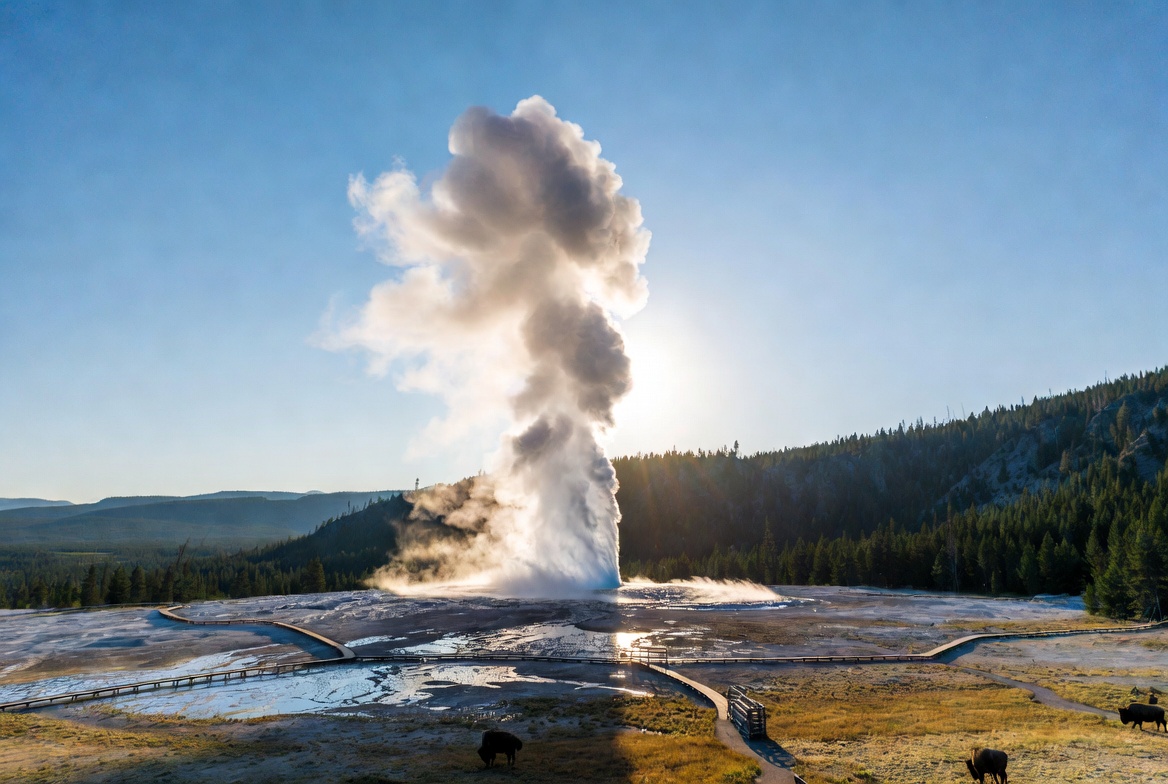
Yellowstone National Park is America’s first national park, home to half the world’s active geysers, dramatic canyons, and some of the best wildlife viewing in the country. Between the fee changes for 2026 and the sheer size of the park, a little preparation goes a long way. Here’s everything you need to know before you go.
How much does it cost to enter Yellowstone?
A private vehicle pass costs $35 and covers 7 consecutive days. Motorcycles pay $30, and anyone entering on foot or by bike pays $20 per person. Kids under 16 don’t need their own pass, so families traveling with young children only pay the standard vehicle fee.
If you plan to visit more than once this year, the annual Yellowstone pass is $70. For broader access, the America the Beautiful annual pass costs $80 for U.S. residents and covers entry to more than 2,000 federal recreation sites, not just Yellowstone.
What’s new for international visitors in 2026?
Starting January 1, 2026, non-U.S. residents aged 16 and older pay an additional $100 surcharge on top of the standard entrance fee. This applies at Yellowstone and 10 other major parks, including Grand Canyon, Yosemite, and Zion. The America the Beautiful pass for nonresidents costs $250 but covers this surcharge across all participating parks, so it can work out cheaper if you’re visiting multiple parks on one trip.
If your route takes you through Grand Teton National Park on the way to Yellowstone, keep in mind that’s a separate $35 entrance fee.
Which entrance should I use?
Yellowstone has five entrance stations, and picking the right one depends on where you’re coming from:
- North Entrance (Gardiner, MT) — the only entrance open to regular vehicles year-round
- West Entrance (West Yellowstone, MT) — closest to geyser country, busiest entrance in summer
- South Entrance — reached through Grand Teton National Park from Jackson, WY
- East Entrance — closest to Cody, WY, about a 40-minute drive to Yellowstone Lake
- Northeast Entrance (Cooke City/Silver Gate, MT) — gateway to the Lamar Valley, best for wildlife watching
It takes several hours to drive between entrances, so check current road status for the one you plan to use before you arrive — some stay closed to cars well into spring.
What are the must-see attractions?
A few spots consistently top every visitor’s list:
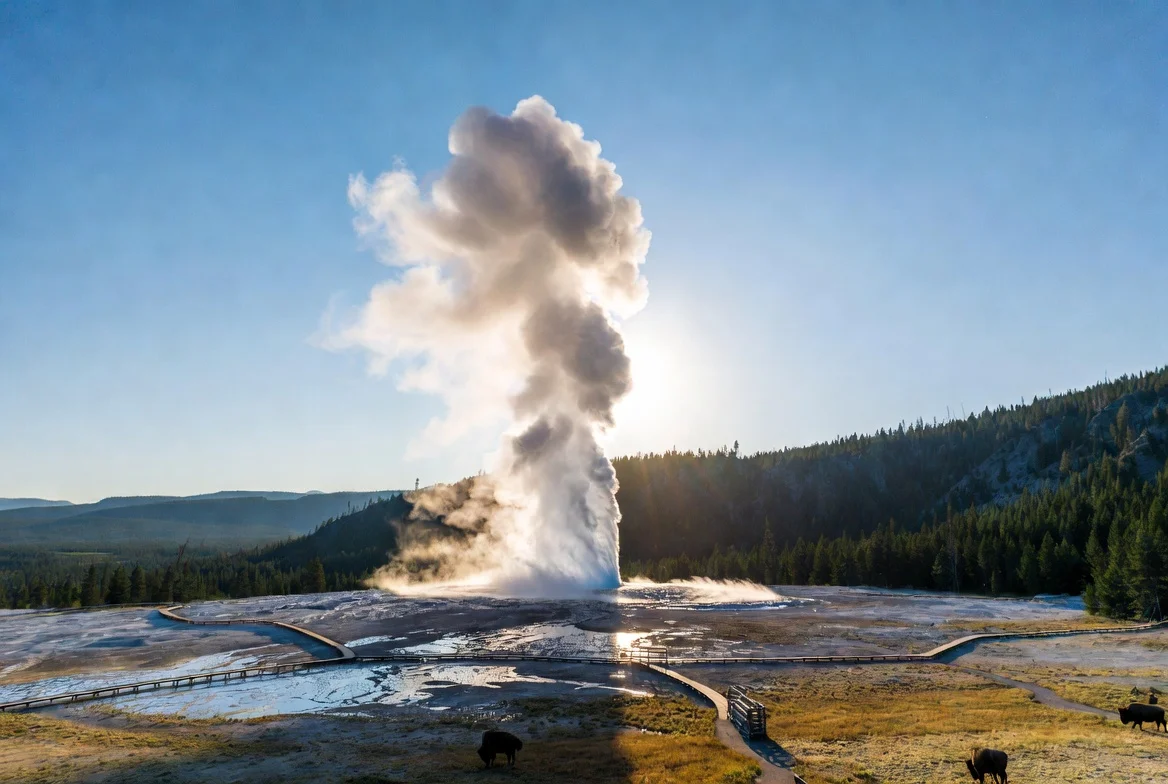
- Old Faithful — the park’s most famous geyser, erupting roughly every 60-110 minutes; arrive 20-30 minutes early for a good seat
- Grand Prismatic Spring — the largest hot spring in the U.S., known for its rainbow colors
- Grand Canyon of the Yellowstone — dramatic canyon views, especially from Artist Point
- Mammoth Hot Springs — travertine terraces that look almost otherworldly
- Lamar Valley — often called “America’s Serengeti,” one of the best places to spot wolves and bison
If you’re short on time, the Old Faithful area alone can easily fill half a day between the geyser basin and nearby boardwalks.
When is the best time to visit?
That depends on what you want out of the trip. Summer (June–August) is peak season — every road and facility is open, but expect crowds and long lines at entrance stations. Spring and fall bring fewer people and cooler weather, though some higher roads may still be closed early in spring. Late September in particular tends to offer a good mix of open roads and thinner crowds, much like planning a trip for Zion National Park in fall when autumn colors and pleasant temperatures arrive.
Winter is a different park entirely. Most roads close to regular vehicles, and getting around means snowmobiles or guided snowcoach tours. It’s quieter and better for spotting wolves, but it takes more planning and usually costs more.
Whatever season you visit, pack for sudden weather changes. Temperature swings, rain, and even snow are possible during any month of the year, so bring layers and a warm jacket regardless of when you go.
What should I book in advance?

Yellowstone doesn’t currently require a timed-entry reservation, which sets it apart from some other major parks. That said, a few things do fill up fast:
- In-park lodging (Old Faithful Inn, Lake Yellowstone Hotel) — book 6 months ahead for summer dates
- Reservation-only campgrounds through Recreation.gov — these go quickly for peak season
- Winter snowcoach tours — often sold out weeks in advance
Mammoth Campground is the only one open year-round, which makes it a solid backup option if other sites are full.
Where can I stay near the park?
If in-park lodging is booked up, several gateway towns make good bases, including Island Park Idaho to Yellowstone National Park routes for travelers staying just outside the western boundary:
- West Yellowstone, MT — closest to the West Entrance, most tourist infrastructure
- Gardiner, MT — right at the North Entrance, good year-round access
- Jackson, WY — near the South Entrance, more upscale, close to Grand Teton
- Cody, WY — near the East Entrance, known for its Western character and summer rodeos
Staying outside the park usually costs less than in-park lodges, but adds driving time each day.
How do I get around once I’m inside?
Yellowstone is roughly the size of Rhode Island and Delaware combined, so distances between attractions take longer than they look on a map. The main roads form a rough figure-eight connecting areas like Old Faithful, Mammoth Hot Springs, and the Grand Canyon of the Yellowstone.
Wildlife jams — traffic stopped because a bison or bear is near the road — are common, especially in the Lamar Valley, and can add real delays to your plans. Speed limits are 45 mph or lower throughout the park, so build in extra time rather than scheduling stops too tightly.
What safety rules should I know?
A few park rules exist because people have been seriously hurt ignoring them:
- Stay on boardwalks in thermal areas — the ground can be thin, and hot springs have caused fatal accidents
- Keep your distance from wildlife — stay at least 100 yards from bears and wolves, 25 yards from bison and elk
- Never stop your vehicle in the road — use designated pullouts for wildlife viewing or photos
- Carry bear spray if you plan to hike, and know how to use it
These aren’t overly cautious suggestions — they reflect real incidents that happen almost every year in the park.
Is Yellowstone accessible for visitors with disabilities?
Yes, to a good degree. Many boardwalks around geyser basins are wheelchair accessible, and a free Accessibility Guide to Yellowstone is available at entrance stations and visitor centers. Accessible restrooms are available at most major sites, including entrance stations like the North Entrance.
A few practical tips
- Gas up before you enter — services inside the park are limited and can be pricier
- Cell service is spotty throughout most of the park, so download offline maps beforehand
- Download the free NPS app for maps and updates that work offline
- Bring the whole family into the Junior Ranger program — it’s free and a good way to keep kids engaged
- Check the park newspaper at entrance stations for current road construction and closures
Frequently Asked Questions
Do I need a reservation to enter Yellowstone?
No, Yellowstone doesn’t currently require a timed-entry reservation. You just need a valid entrance pass, which you can buy online in advance or at the gate.
Is cell service available inside the park?
Cell service is spotty across most of Yellowstone. It’s a good idea to download offline maps before you arrive, since you can’t count on a signal once you’re inside.
Can I use the America the Beautiful pass at Yellowstone?
Yes. The $80 annual pass for U.S. residents covers entry to Yellowstone and thousands of other federal recreation sites for one year from purchase.
Are there fee-free days at Yellowstone?
Yes, the National Park Service typically designates 5-6 fee-free days each year. In 2026, however, international visitors may still owe the nonresident surcharge even on those days.
How many days do I need to see Yellowstone properly?
Most visitors find 3-4 days enough to cover the major highlights without rushing. If you want to include hiking or the Lamar Valley for wildlife, 5 days gives more breathing room. Similarly, if you are looking into desert itineraries elsewhere, figuring out how many days in Death Valley National Park you need requires balancing sights against driving distances.
Are pets allowed in the park?
Pets are allowed in developed areas and campgrounds but must stay on a leash and are not permitted on boardwalks, trails, or backcountry areas.
Before You Go
Fees, hours, and permit rules can change, so it’s worth checking the official NPS Yellowstone fees page before you finalize your trip. A bit of planning up front — knowing the current costs, picking the right entrance and season, and locking in lodging early — makes the difference between a smooth visit and a stressful one. Capturing stunning landscape shots here can also help prepare you for mastering Yosemite National Park photography on future western road trips.
If you are interested in exploring other scenic national parks further south or across different regions, you may also want to read our guide on planning a scenic Drive Kona to Volcano National Park.
Disclaimer:This article reflects information available as of August 2026 and may be updated as fees, hours, or park policies change. For the most current details, always confirm with the official National Park Service website before finalizing your trip.

I’m Muhammad Ubaid, founder of YBR Magazine. I research and write detailed guides on America’s National Parks — covering entry fees, permits, best times to visit, and planning tips — using official NPS sources and up-to-date information.