


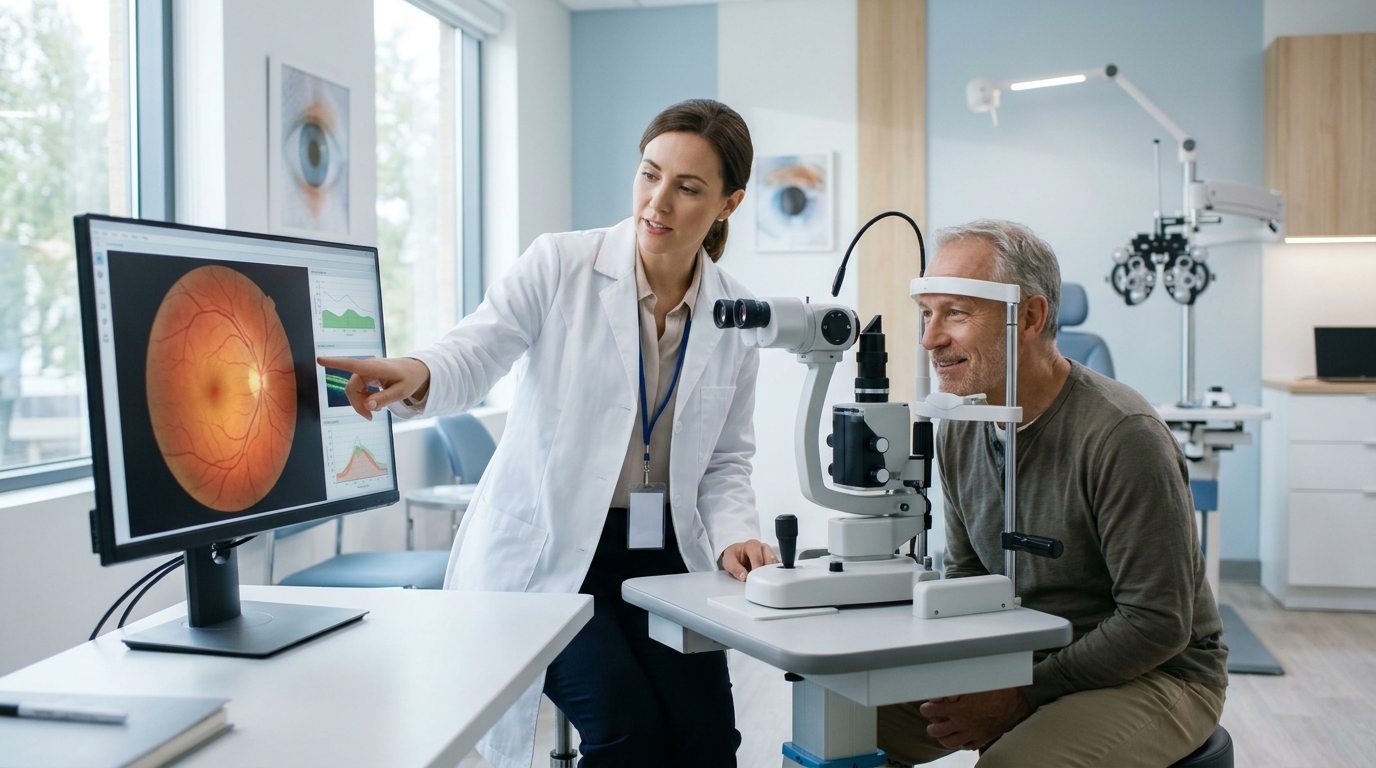
For an expanding ophthalmology practice, technological upgrades can bring about efficiency gains, enhance its capabilities, and provide better services to its patients. Nevertheless, the purchase of such high-quality equipment can put pressure on the working capital of the business. Optometry equipment leasing provides a great opportunity for acquiring this technology without exhausting their working capital.
Why Leasing Can Be a Good Solution for Practice Expansion
Practices that are growing might want to acquire more diagnostic machines, imaging systems, or other technology; but before the revenue starts, the investment is in full. Optometry practice financing to lease equipment allows the owner of the practice to have access to such instruments while being flexible enough with the payment method, so that the practice owner only pays a fraction of the total value over some agreed term period. Besides that, it helps a lot to have the capital still at your disposal for other purposes such as running the business day to day. Closing in on lease contracts could help practices save some headaches by having constant monthly fees versus just outright owning and paying a piece of equipment in full cash. Practices could, therefore, plan a financial forecast and assess if the expected increase in patient volume, service revenue, and operating costs are really sufficient for the purchase of that asset to make a profit for them in the end.
Link Equipment to Business Plan
The effective optometry equipment leasing strategy begins with establishing a clear plan. Rather than purchasing the latest equipment simply for the sake of upgrading, figure out the services you would like to add. If you are expanding into specialty areas within optometry or furthering your services, you are likely to be in need of advanced technology to help with your diagnosis. Start by making a list of your equipment, technology expectations, patient demand, and revenue that can be generated from the added services.
Use Finance to Maintain Cash Flow
This is particularly crucial during times of growth when there will be several expenses that must be met along with investments in equipment. Leasing of optometry equipment may make it possible for the practice to spread the cost of technology over a period of time and maintain cash flow. Optometry equipment leasing may be ideal for those that like to own the equipment and pay regularly.
Look Beyond Monthly Payment Amount
The size of the monthly payment is just one factor among many optometry equipment leasing options. Take a step back and review the whole agreement, including lease duration, total money required, the party responsible for maintenance, what happens at the end of the lease, associated fees, and possible purchase options. Medical practices need to know if the agreement is built around buying/selling of the equipment, returning it, or replacing it after a certain time. Smaller monthly payments might not actually be cheaper overall
Focus on Technology that Enhances Patient Care
It is important for technology to establish visible benefits. Equipment that accelerates examinations, increases the accuracy of diagnosis, aids in timely detection, or facilitates supplementary services can strengthen the relationship with patients and enhance the results of practice. It is advisable to consider how often the equipment is to be used and the patients who are going to benefit from it before purchasing it.
Get Maximum ROI on Leased Devices
In order to get maximum ROI from leasing devices for your optometry practice, you need to properly train your personnel and create work processes that will help you ensure continuous use of these tools. Monitor the number of times equipment has been used, appointments, income from new services, and patients’ feedback. This way, you’ll see how your device is helping you increase practice income.
Planning for Future Upgrades
New and improved equipment is constantly rolling out to us, and this means that we need to go beyond the first lease agreement and anticipate future changes. Optometry equipment leasing can be viewed as a means of keeping the clinic stocked with the newest technology as it comes in line with the clinical needs. However, it is crucial that the lease is consistent with the long-term objectives of the organization. Make sure to get an idea if the equipment will still be of benefit throughout the rental period before going through the lease process. If a company is under the impression that tech progress is going to overtake their current setup pretty soon, such a company could find it highly beneficial to get a type of lease that is very friendly towards upgrades in the near or mid-term and is able to provide the company with the most suitable technology in time.
Integration of leasing into a larger growth plan
The effectiveness of optometry equipment leasing increases if it is part of a wider operational and financial scheme. Before signing a contract for leasing equipment, you need to evaluate the expected request for patients, workforce requirements, expansion of services, cash savings, and use of equipment. Apart from getting several quotations, it is good to negotiate terms of the contract as well. The leasing scheme should be flexible and support the business in the future. Understanding total financial obligations of a lease helps avoid future limitations.
Conclusion
Optometry equipment leasing can be beneficial for expanding eye-care practices, providing access to the necessary equipment without having to invest significant capital at the outset. Through the process of identifying what equipment is needed for their objectives, preserving cash flow, assessing overall costs, and evaluating performance, practices may leverage an optometry business loan as a strategic tool for practice expansion.

I’m Muhammad Ubaid, founder of YBR Magazine. I research and write detailed guides on America’s National Parks — covering entry fees, permits, best times to visit, and planning tips — using official NPS sources and up-to-date information.

